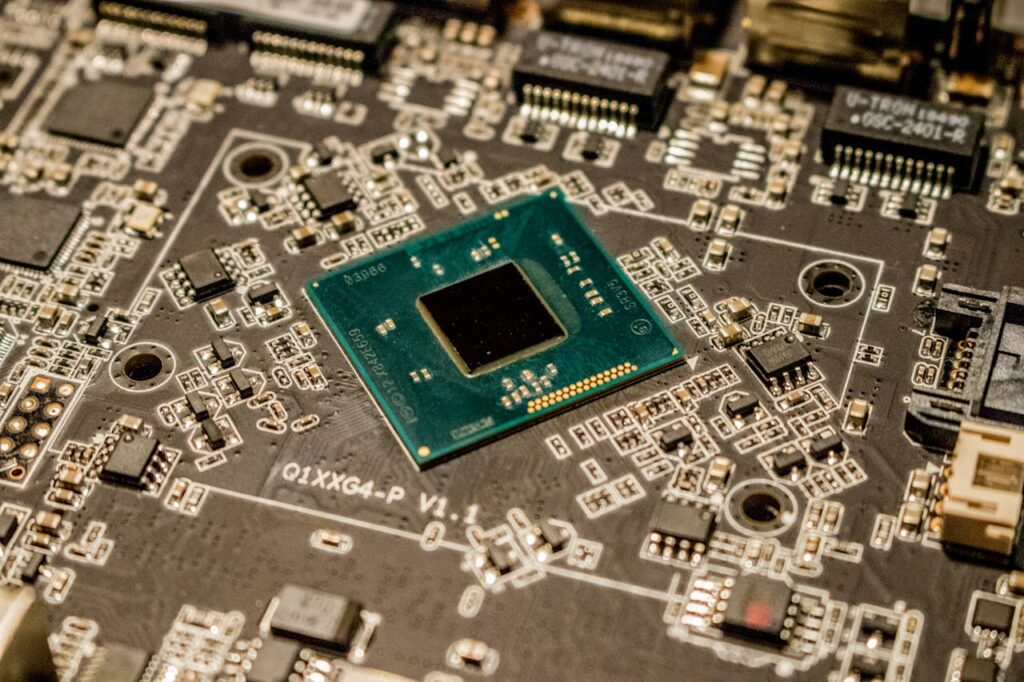

Semiconductors 101: From Silicon to Smart Devices
Semiconductors quietly power the modern world. From the phone in your pocket to industrial automation systems, chips are behind the speed, efficiency, and intelligence of today’s products. This test blog is intentionally written to help you style every possible blog element—headings, links, quotes, code blocks, tables, and more.
Key topics covered: Silicon • Transistors • ICs • Manufacturing • Packaging • Testing • Trends
Quick Summary
Semiconductors are materials that can behave like a conductor or an insulator depending on conditions. This property helps engineers build transistors, which combine into integrated circuits (ICs) that run everything from microcontrollers to AI accelerators.
Read time: 6–8 minutes
Difficulty: Beginner–Intermediate
Best for: Students, developers, product teams, and tech enthusiasts
What Is a Semiconductor?
A semiconductor is a material (commonly silicon) whose electrical conductivity can be controlled. Unlike metals (good conductors) or glass (good insulators), semiconductors sit in the middle—making them perfect for switching and amplification.
In simple terms:
- Conductors = electricity flows easily
- Insulators = electricity barely flows
- Semiconductors = electricity flows when we want it to
Blockquote (for styling):
“Semiconductors are the building blocks of the digital age—small, precise, and incredibly powerful.”